What Should I Expect from Person-Centred Disability Support? | Special Care Australia
At a Glance
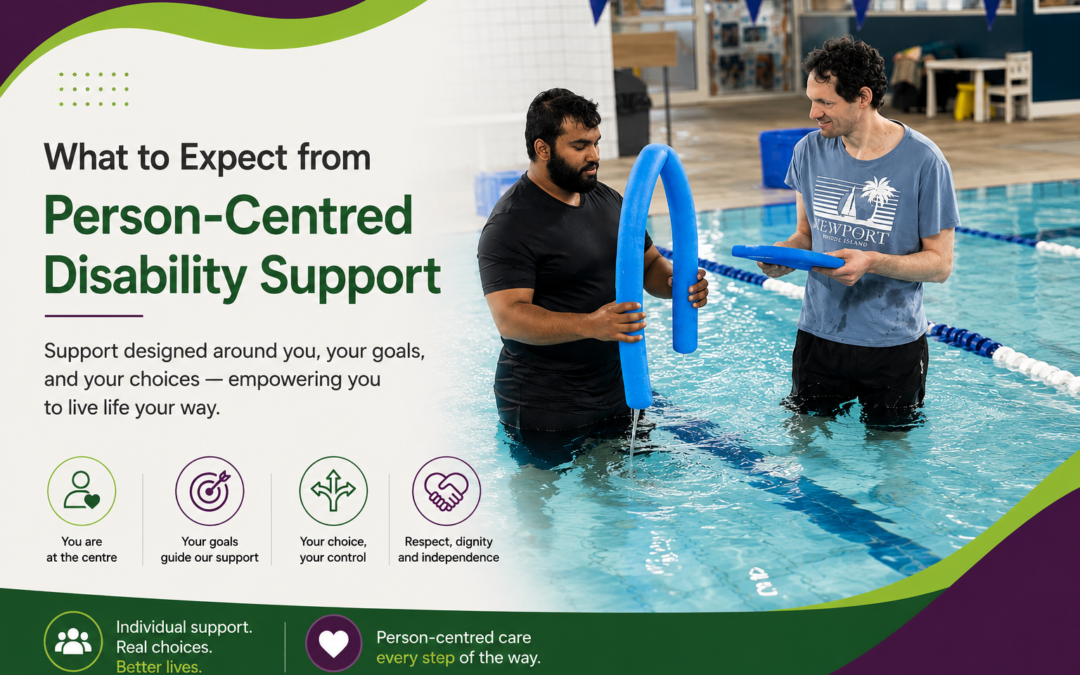
Person-centred disability support means your support is built around you—not the provider. Instead of receiving the same services as everyone else, your goals, preferences, abilities, routines, and choices guide the support you receive. A good NDIS provider works alongside you to help you build independence, participate in your community, and achieve the outcomes that matter most to you.
Whether you need help with daily living support, community participation, Supported Independent Living (SIL), or personal care, person-centred support ensures you remain in control of your own journey.
What Does Person-Centred Disability Support Mean?
Person-centred disability support is an approach where you are at the centre of every decision. Your support isn’t designed around a fixed program or timetable—it is designed around your life.
That means your support workers take the time to understand:
- Your personal goals
- Your daily routine
- Your interests and hobbies
- Your communication preferences
- Your cultural background
- Your level of independence
- The type of support you actually need
For example, two people with similar disabilities may receive completely different support because their goals are different. One participant may want to learn to cook independently, while another may want support finding employment or becoming more active in the community.
That’s what makes person-centred care different—it recognises that every participant is unique.
What Happens When You Start with a New NDIS Provider?
Your first few conversations shouldn’t feel rushed.
A quality disability support provider will usually spend time getting to know you before creating a support plan.
During the initial meetings, they may ask questions such as:
- What are your current goals?
- What activities do you enjoy?
- What challenges do you face each day?
- What would you like to become more independent in?
- How would you like your support workers to assist you?
These conversations help create supports that fit naturally into your lifestyle rather than expecting you to fit into someone else’s routine.
What Does Person-Centred Support Look Like in Everyday Life?
Person-centred care isn’t only about meetings and planning documents.
It becomes part of everyday life.
Depending on your NDIS plan, support may include:
- Personal care and hygiene assistance
- Meal preparation
- Household tasks
- Shopping support
- Transport assistance
- Community participation
- Building life skills
- Medication reminders
- Support to attend appointments
- Help developing confidence and independence
Rather than simply completing tasks for you, support workers encourage you to participate wherever possible so you can continue building your own skills.
How Does Person-Centred Support Build Independence?
One of the biggest goals of disability support is helping participants become as independent as possible.
Instead of creating dependence, good support focuses on building confidence.
For example:
A participant learning to cook may first receive step-by-step guidance.
Over time, that support gradually reduces as their confidence grows.
The same approach can apply to:
- Catching public transport
- Managing appointments
- Budgeting
- Shopping
- Preparing meals
- Social interactions
- Household responsibilities
Progress may be gradual, but every small achievement helps build greater independence.
How Are Support Workers Matched with Participants?
A good provider understands that personality matters just as much as experience.
Support workers are often matched based on factors such as:
- Communication style
- Interests
- Cultural preferences
- Language
- Support experience
- Availability
- Participant preferences
When participants feel comfortable with their support workers, trust develops more naturally.
That relationship often leads to better outcomes and greater confidence.
Can My Support Change Over Time?
Yes.
Person-centred disability support is designed to grow with you.
Your goals today may not be the same six months from now.
You might:
- Gain more independence
- Start studying
- Begin employment
- Move into Supported Independent Living
- Require additional support after a change in health
Your provider should regularly review your support and make adjustments whenever your circumstances change.
Flexibility is one of the biggest strengths of person-centred care.
What Should You Look for in a Person-Centred NDIS Provider?
Not every provider delivers support in the same way.
When choosing an NDIS provider, consider asking:
- Do they listen to your goals?
- Are support plans personalised?
- Can you choose your support workers?
- Do they communicate clearly?
- Are they flexible when your needs change?
- Do they encourage independence?
- Do they involve family or carers when appropriate?
- Do they respect your choices and decisions?
If the answer is yes, you’re more likely to receive support that genuinely reflects your individual needs.
Why Communication Matters
Good communication is one of the foundations of person-centred support.
Participants should always feel comfortable asking questions or requesting changes.
A quality provider will:
- Listen without judgement
- Explain supports clearly
- Keep families informed (where appropriate)
- Respond promptly
- Encourage participant involvement
Open communication helps build trust and ensures everyone works towards the same goals.
How Does Person-Centred Support Improve Quality of Life?
While disability support often focuses on practical assistance, person-centred care goes much further.
It can help participants:
- Build confidence
- Develop everyday life skills
- Increase independence
- Form meaningful friendships
- Become more active in their community
- Feel respected and valued
- Achieve personal goals
- Improve emotional wellbeing
These outcomes often have a positive impact not only on participants but also on families and carers.
Choosing the Right Support Makes a Difference
Person-centred disability support isn’t about telling participants what they should do.
It’s about listening first.
When support is built around your goals, interests, and aspirations, everyday tasks become opportunities to learn, grow, and gain confidence.
At Special Care Australia, we believe every participant deserves personalised support that respects their choices and helps them achieve greater independence. Whether you need assistance with daily living, community participation, respite care, or Supported Independent Living (SIL), our team works alongside you to provide support that fits your life—not the other way around.
If you’re looking for a trusted NDIS provider that puts participants first, we’re here to help.
Frequently Asked Questions
What is person-centred disability support?
Person-centred disability support is an approach where services are tailored to a participant’s individual goals, preferences, lifestyle, and support needs rather than using the same plan for everyone.
Why is person-centred care important in the NDIS?
It helps participants make their own choices, build independence, and receive support that reflects their personal goals and daily routines.
Can I choose my support worker?
Yes. Many NDIS providers allow participants to choose or request support workers who best match their preferences and support requirements.
How often should my support plan be reviewed?
Support plans should be reviewed whenever your goals or circumstances change and during regular NDIS plan reviews.
Does person-centred support include community participation?
Yes. Community participation is often an important part of person-centred support, helping participants develop confidence, social connections, and independence.