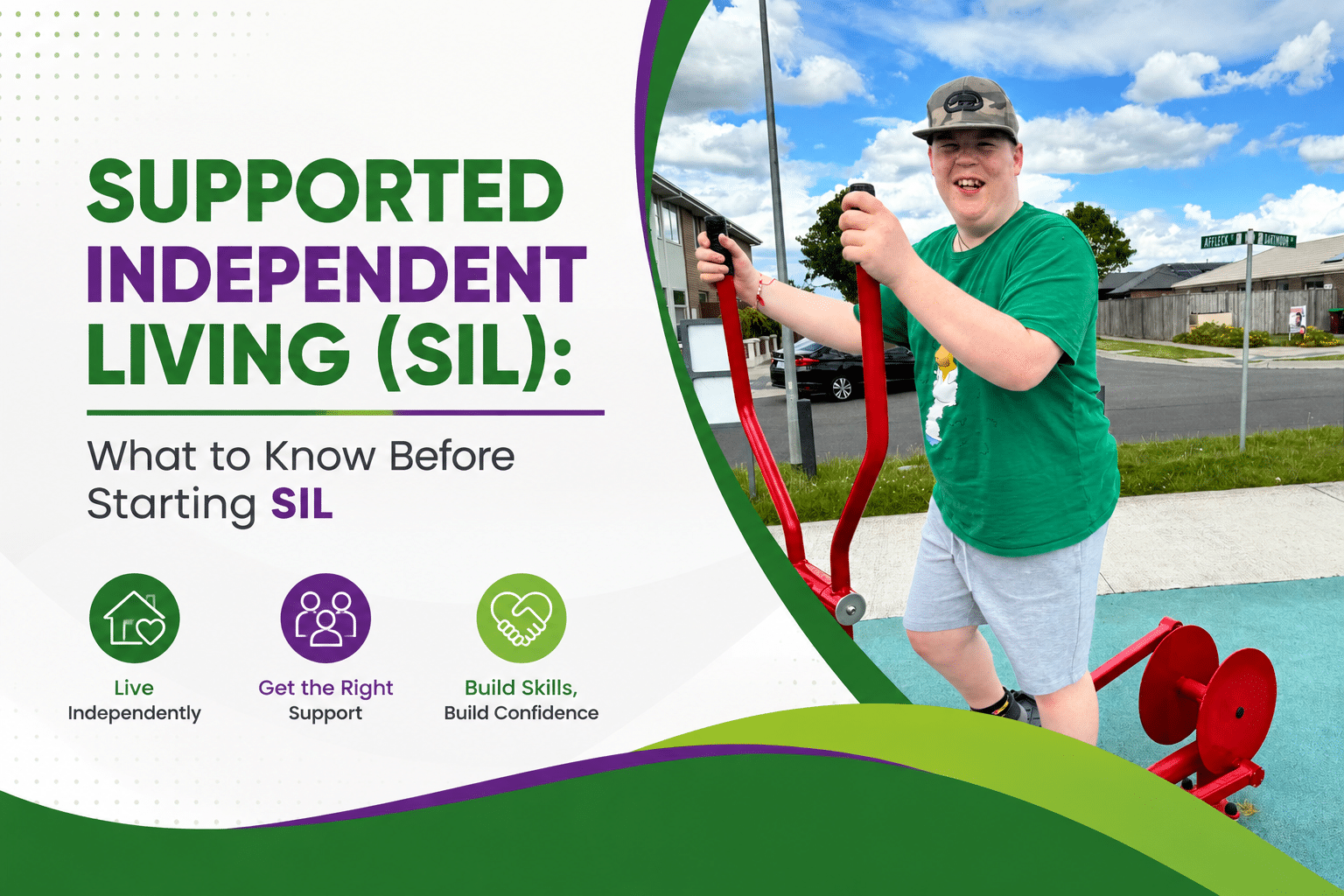
For many people living with disability, having the right support at home can make a significant difference to everyday life. From preparing meals and managing household tasks to building confidence in social situations, the right environment can help people develop greater independence while maintaining choice and control over how they live.
Supported Independent Living (SIL) is one of the most commonly discussed NDIS supports, yet it’s also one of the most misunderstood. Families often ask whether SIL pays for accommodation, who qualifies, and what daily life actually looks like in a supported living environment.
At Special Care Australia, we provide comfortable homes designed to help NDIS participants build independence, confidence, and everyday living skills. As a trusted NDIS Provider Melbourne and Disability Support Service Provider, we support participants seeking Supported Independent Living options that align with their goals, preferences, and support needs.
What Is Supported Independent Living?
Supported Independent Living, commonly known as SIL, is an NDIS-funded support that assists participants with daily living activities. Rather than focusing on accommodation costs, SIL funding is designed to cover the support workers and services that help participants manage everyday tasks and develop greater independence.
Depending on individual needs, support may be available during the day, overnight, or around the clock.
Participants receiving SIL often receive assistance with:
- Personal care routines
- Meal preparation
- Household tasks
- Medication support
- Developing life skills
- Community participation
- Daily decision-making
The level of support varies from person to person and is based on individual goals, needs, and NDIS funding arrangements.
Who Is Supported Independent Living Designed For?
One of the most common questions families ask is whether SIL is suitable for their loved one.
In general, SIL is intended for NDIS participants who require ongoing support with daily living and would benefit from a structured environment where they can continue developing independent living skills.
Participants may be considered for SIL if they:
- Require support throughout the day
- Need assistance with personal care
- Have higher support needs
- Want to increase independence
- Need support to participate in their community safely
- Require overnight supervision or assistance
Eligibility is determined through the NDIS planning process and is based on evidence provided by health professionals, support coordinators, and allied health teams.
What Does Daily Life in a SIL Home Look Like?
There is no single answer because every household is different.
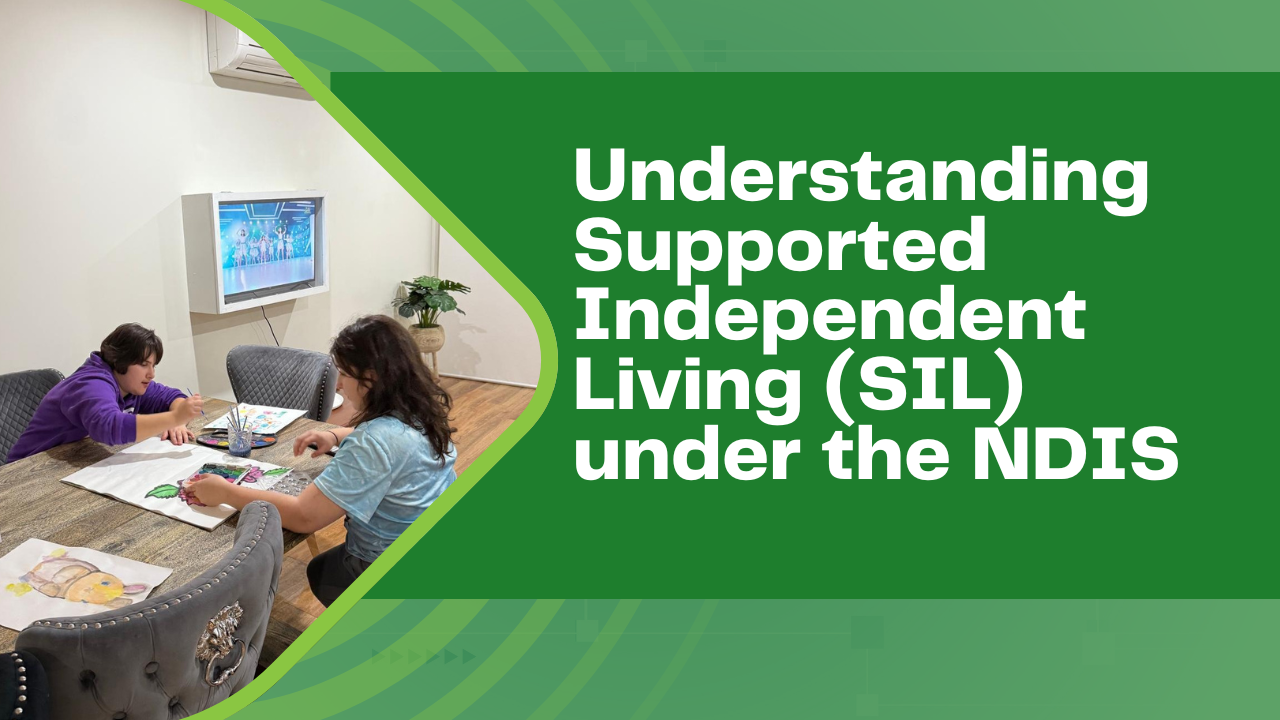
For some participants, the day may start with support preparing breakfast and getting ready for work, study, or community activities. Others may focus on learning practical skills such as cooking, budgeting, shopping, or using public transport.
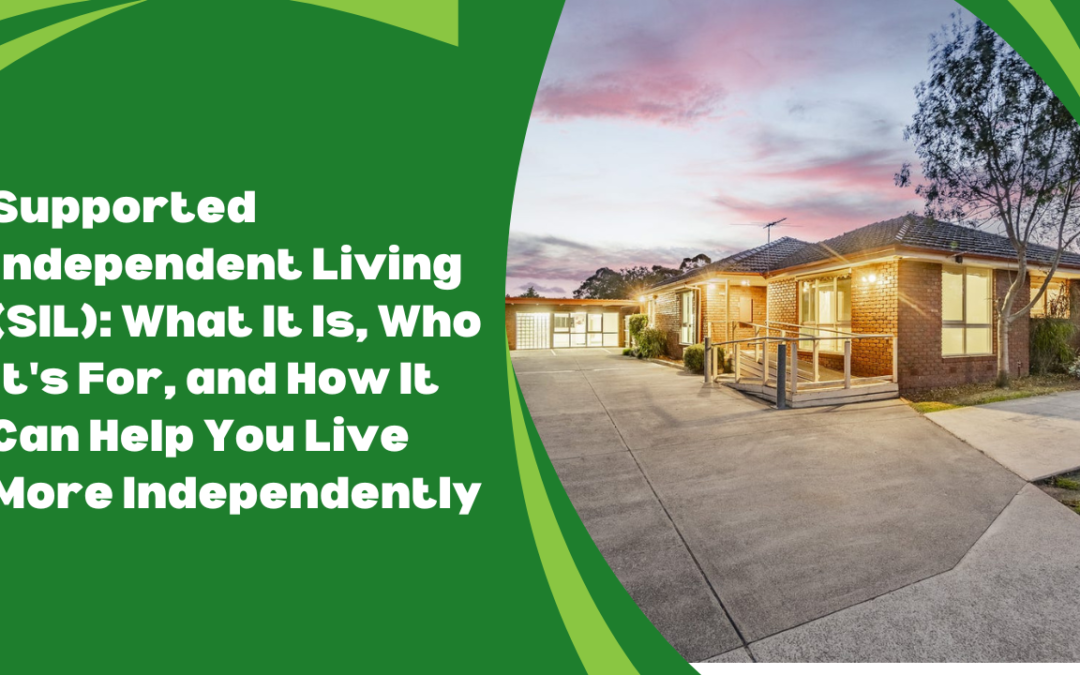
A good SIL home should feel like a home rather than a service.
Participants are encouraged to make choices about their routines, activities, and personal goals while receiving support tailored to their needs.
Many people are surprised to discover that SIL isn’t simply about receiving care. It’s also about learning, growing, and becoming more confident in everyday situations.
Does SIL Funding Cover Accommodation?
This is one of the most frequently searched questions about Supported Independent Living.
The short answer is no.
SIL funding generally covers the support services provided to participants, not the cost of the property itself.
Participants are usually responsible for everyday living expenses such as:
- Rent
- Groceries
- Utilities
- Internet
- Personal spending
However, some participants may also be eligible for Specialist Disability Accommodation (SDA), which relates to the physical housing rather than the support provided within it.
Understanding the difference between SIL and SDA can help participants make informed decisions about their housing options.
Can Someone Receive SIL While Living Alone?
In some situations, yes.
Although many SIL arrangements involve shared living environments, some participants may receive Supported Independent Living funding while living independently.
This usually depends on factors such as:
- Safety requirements
- Health needs
- Behavioural support requirements
- The level of daily support required
Each situation is assessed individually by the NDIS.
What Makes a Good Supported Independent Living Provider?
Choosing a provider is about more than finding a vacancy.
Participants and families often look for providers who take the time to understand individual goals, preferences, and support requirements.
A quality SIL provider should offer:
- Person-centred support
- Experienced support workers
- Safe and comfortable homes
- Opportunities for community participation
- Transparent communication
- Focus on independence-building outcomes
The most successful SIL arrangements are those where participants feel respected, supported, and encouraged to achieve their personal goals.
How Can SIL Help Build Independence?
One of the biggest benefits of Supported Independent Living is that it creates opportunities for participants to develop practical skills through everyday experiences.
This may include learning how to:
- Prepare meals
- Manage personal routines
- Maintain a household
- Use public transport
- Build social connections
- Make informed decisions
These skills may seem simple, but they often play an important role in helping participants gain confidence and increase independence over time.
Finding the Right SIL Home
Finding the right Supported Independent Living arrangement is about much more than housing. It’s about finding the right balance of support, independence, and opportunity.
When participants are matched with the right home, the right support team, and the right environment, SIL can become a pathway to greater confidence, stronger community connections, and a more independent future.
Whether you’re exploring SIL for yourself, a family member, or someone you support, taking the time to understand your options can help you make informed decisions and find a living arrangement that genuinely supports long-term goals and wellbeing.