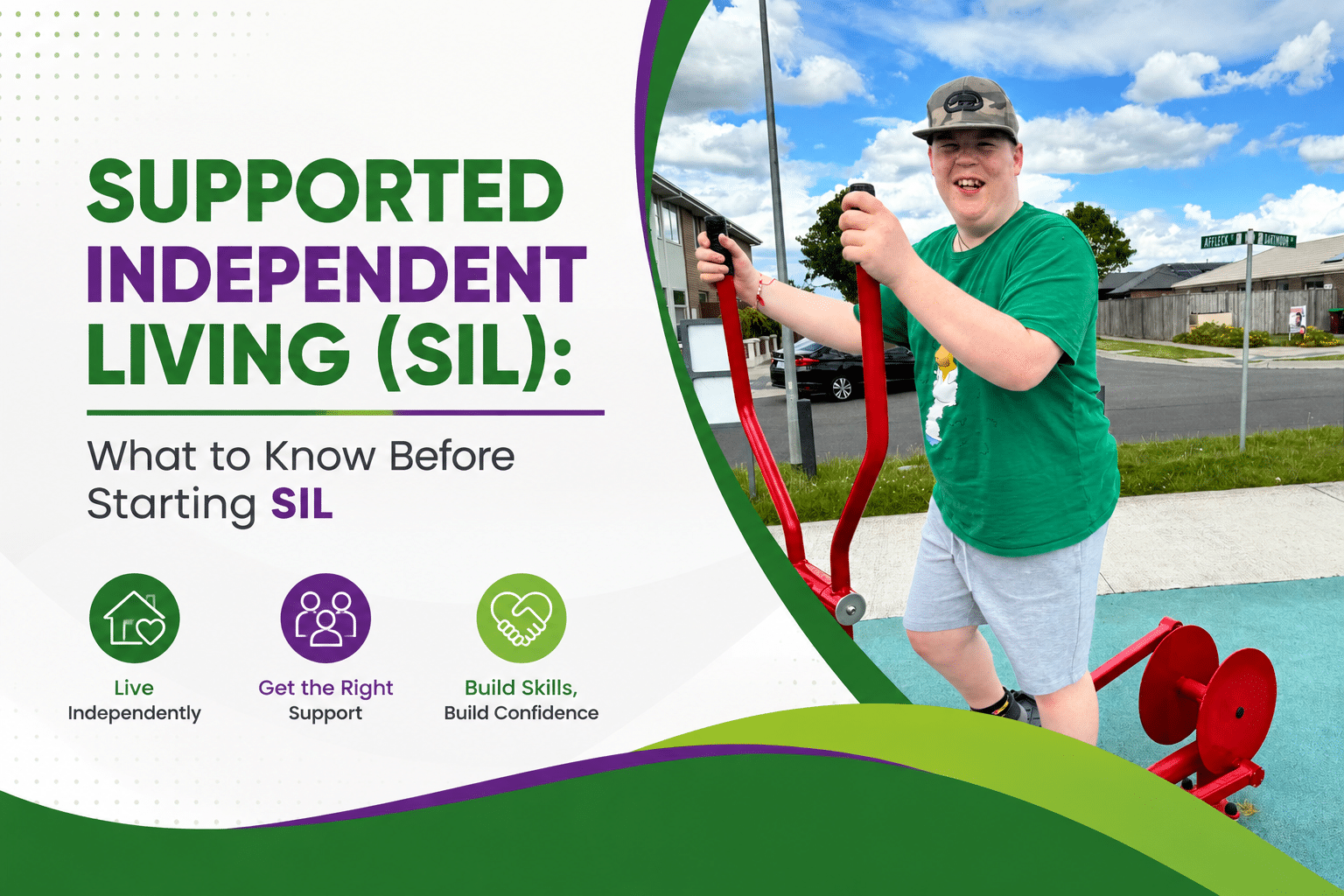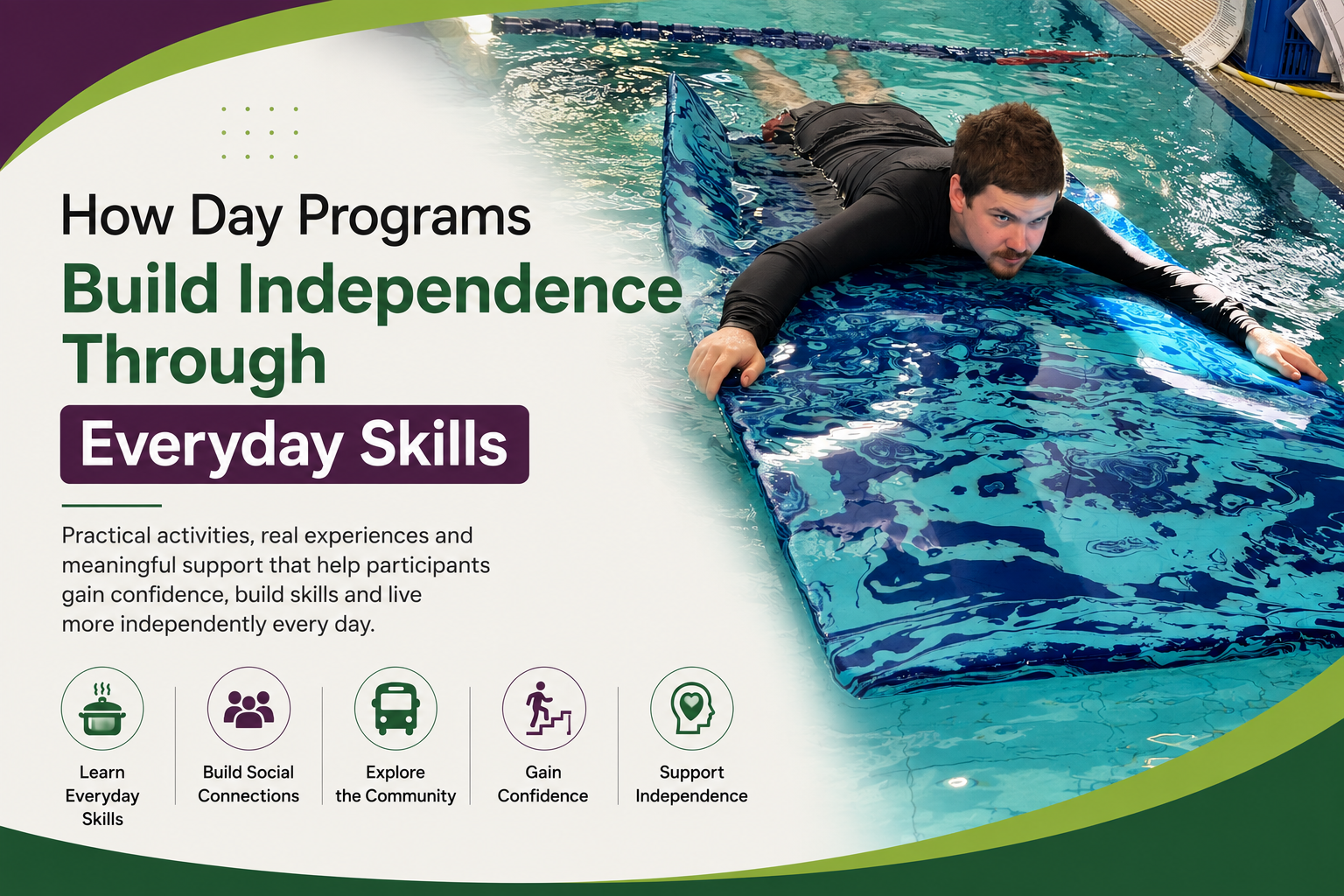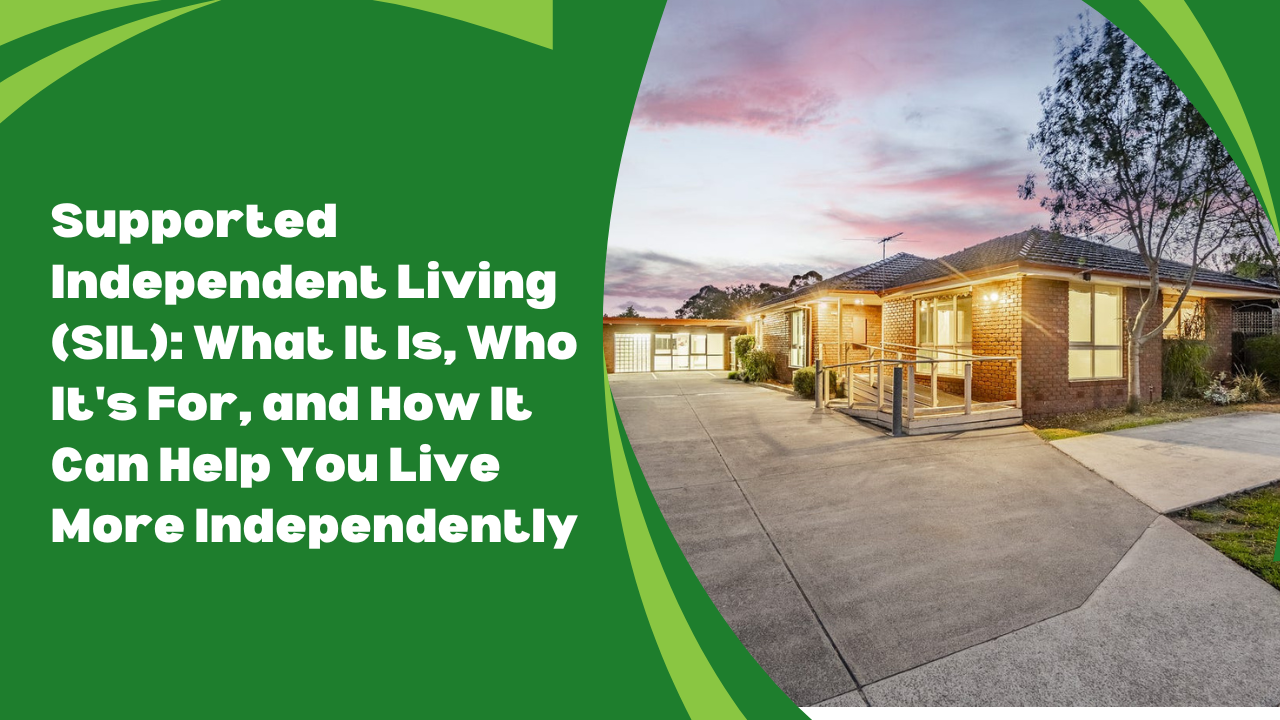
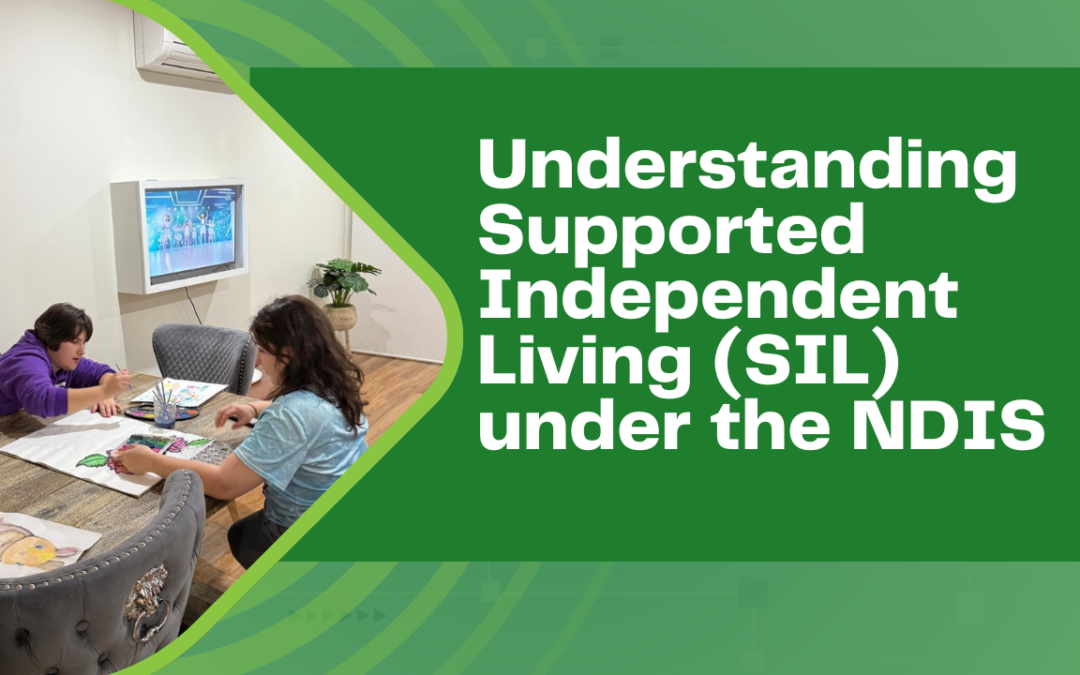
Supported Independent Living (SIL) with Special Care Australia
📌 Key Takeaways
At Special Care Australia, our Supported Independent Living (SIL) programs provide the dedicated, personalized support worker networks required to maximize autonomy for individuals with disabilities while keeping them safe and connected to their community.
- What We Cover: In-home support worker services to assist with daily living tasks (personal care, cooking, cleaning, and medication administration).
- What We Exclude: Capital housing structures (SDA), rent, utilities, clothing, or standard groceries.
- Core Approvals: Evaluated by the NDIA based on clinical Functional Capacity Assessments (FCA) compiled by Allied Health professionals.
Quick Answer
To qualify for SIL under the NDIS, you must be a participant aged 18 or older with permanent, significant support needs requiring continuous or 24/7 assistance. The NDIA must deem SIL a “reasonable and necessary” allocation to ensure safety while systematically building independent living skills.
Understanding Supported Independent Living (SIL)
Supported Independent Living (SIL) allocates dedicated NDIS funding for paid support professionals within your living space. It covers active human support to build your long-term independence.
Crucial Rule: SIL never funds the physical home or land. Physical alterations or specialized building features are explicitly categorized under Specialist Disability Accommodation (SDA).
Who is Eligible for Supported Independent Living (SIL)?
The NDIA assesses applications by testing your active capabilities, individual goals, and required care frequency against clear statutory categories:
1. Primary Age and Residency Rules
- NDIS Status: You must have a confirmed, active NDIS plan.
- Age Constraint: The NDIS assesses SIL suitability for participants aged 18 or older.
2. Constant or 24/7 Daily Care Needs
SIL targets individuals with highly intense care constraints. You must require help or constant monitoring across an extended 24-hour cycle:
- Daytime Oversight: Active hands-on assistance across diverse daily tasks (e.g., hygiene, transfers, eating).
- Overnight Safety: A distinct requirement for on-site support while you sleep (either via active awake shifts or sleepovers).
3. The “Reasonable and Necessary” Standard
- Disability Connection: The care must directly stem from your primary medical or functional diagnoses.
- Goal Pursuit: The funding must explicitly advance your written plan objectives (e.g., moving out, skill-building).
- Value: The cost must be economically justified relative to alternative community drop-in care configurations.
Standard vs. High-Intensity SIL Funding
| Tier | What It Covers | Who It Is For |
|---|---|---|
| Standard | Daily task assistance, household management, and sleepover overnight workers. | Participants needing steady help without extreme medical or complex behavioral risks. |
| High-Intensity | Active awake overnight care, clinical medical interventions, or continuous positive behavior support plans. | Participants with intricate clinical needs (e.g., ventilation, dysphagia management) or continuous behavior vulnerabilities. |
Step-by-Step: How to Apply for SIL Funding
PREREQUISITE
Ensure your current plan explicitly includes a home and living goal, such as exploring independent living frameworks or transitioning into alternative community housing.
CLINICAL EVIDENCE
An Occupational Therapist must compile an exhaustive assessment. This documentation must explicitly prove why automated technology or intermittent drop-in care configurations cannot adequately manage your daily safety parameters.
SUBMISSION
Work with your Support Coordinator to finalize the official NDIS Home and Living Supporting Evidence Form to officially prompt an internal agency administrative review.
FINAL REQUIREMENT
Partner with an authorized SIL specialist to generate a Roster of Care (RoC). This breakdown maps out your structural, hourly support ratios across an entire week to prove exact operational cost equations to the NDIA.
Finding a Trusted SIL Provider in Cranbourne
If you are exploring placement vacancies across Melbourne’s south-eastern corridors, connecting with a local specialist keeps you linked with crucial family ties, neighborhood networks, and trusted regional medical practices.
Navigating these regulatory paths requires a dedicated partner. Engaging an established, local registered provider like Special Care Australia ensures you have expert assistance when securing specialized vacancies in Cranbourne, mapping functional clinical indicators, and negotiating fair, authorized Rosters of Care with agency planners.
Frequently Asked Questions
What does Supported Independent Living (SIL) cover?
SIL funding covers the cost of paid support workers who help with daily tasks like personal care, cooking, cleaning, and medication management. It is designed to help you live autonomously while building your independent daily living skills.
Does NDIS SIL funding pay for rent?
No, SIL never pays for rent, home ownership, utilities, or standard groceries. It only covers the cost of the human support staff; the physical building or home modifications are funded separately under Specialist Disability Accommodation (SDA).
Who is eligible for SIL funding?
To qualify for SIL, you must be an NDIS participant aged 18 or older with permanent, significant disabilities who requires continuous or 24/7 assistance to remain safe at home.
What is the difference between Standard and High-Intensity SIL?
Standard SIL covers everyday task assistance and sleepover overnight workers, while High-Intensity SIL is for participants with complex medical or behavioral needs requiring active, awake overnight care or clinical interventions.
What evidence do I need to get SIL approved?
You need an active NDIS plan with a “home and living” goal, a Functional Capacity Assessment (FCA) from an Occupational Therapist, and a Roster of Care (RoC) detailing your weekly hourly support needs.