Pre-Stay Orientation: What to Pack, Expect, and Ask Before Respite
by SCA | Feb 20, 2026 | NDIS Services |
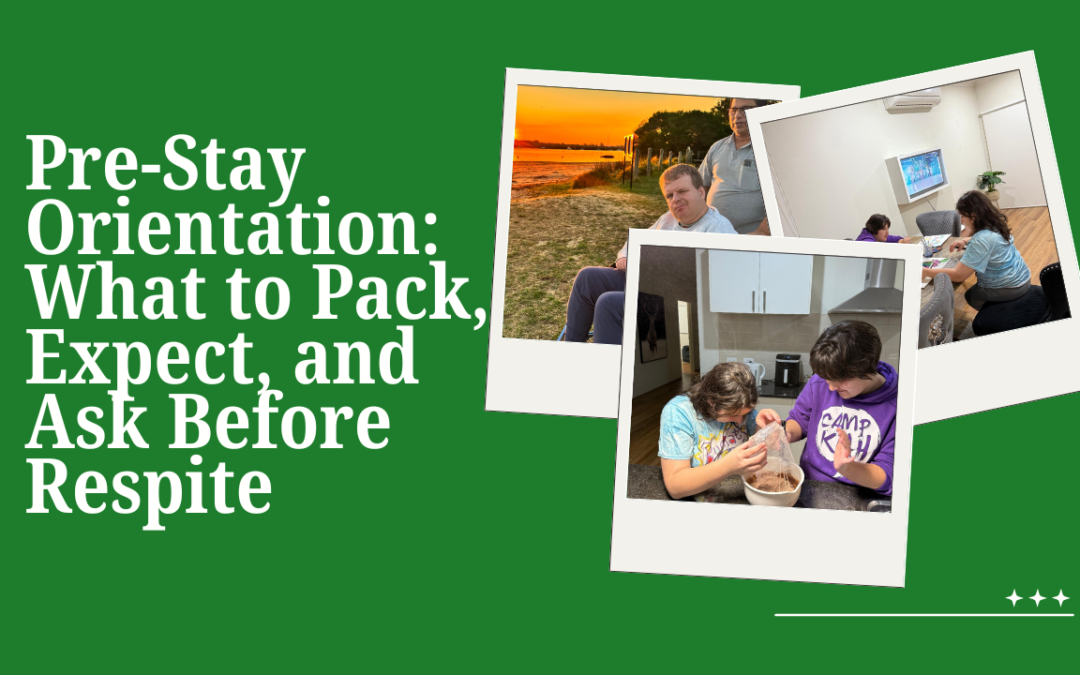
Preparing for a respite stay can seem like a major milestone — especially if it’s the first time for you or your loved one. Whether the stay is for just a few days or a bit longer, being prepared ensures everyone will feel calmer and more confident as they prepare for the experience.
This guide breaks down what to pack, what to anticipate and the questions worth asking your respite provider before your stay begins. No fluff — everything’s geared with the needs of NDIS participants and their families, so you know what’s important.
What Is Respite and Why Preparation Matters
As part of the NDIS, Short Term Respite (previously known as Short-Term Accommodation) provides participants with a safe place to stay when carers need a break. For the participant, it is also an opportunity to have new experiences in a different setting, try new activities, meet support staff and gain a level of independence in a safe environment.
Good preparation is half the battle. With knowledge of what to bring and expect, the stay is less stressful and more enjoyable as well as more personalised to the participant’s needs and preferences.
What to Pack for a Smooth and Comfortable Stay
When packing for respite, think of comfort, routine, and safety. Here’s a simple, practical checklist to follow.
1. Important Documents
Bring copies of:
-
The participant’s NDIS plan (if relevant)
-
Medical information (allergies, diagnoses, triggers)
-
Medication list with timings
-
Behaviour or communication profiles
-
Emergency or family contact details
These help the respite team support the participant properly from day one.
2. Clothing & Personal Care Items
Bring enough for the whole stay and consider bringing few spare too.
Consider:
-
Everyday outfits
-
Comfortable shoes
-
Pyjamas and slippers
-
Weather-appropriate clothing
-
Toiletries (toothbrush, soap, shampoo, deodorant, hairbrush)
Pick items the participant is accustomed to — it helps to keep routines calm and reassuring.
3. Comfort Items
These items can be game changers, particularly for those people who rely on routines or find comfort in sensory inputs:
-
Comfort pillow, a comfort blanket or a favourite soft toy
-
Noise-cancelling headphones to calm the nerves
-
Books, sketch-pads or activities of your choice
-
Sensory support items, such as fidget toys or weighted objects
Pack back-ups of chargers, batteries or any communication and mobility equipment the participant may use.
4. Optional Extras
Not essential, but often helpful:
-
Favourite snacks (please check provider policy first)
-
Items for chosen hobbies such as puzzles or craft kits
-
Swimwear if facilities allow the same
What Not to Pack
Do not send expensive jewellery, unnecessary electronics or anything fragile, dangerous or valuable.
What to Expect During a Respite Stay
Every provider is different, but most follow a structured, supportive routine focused on personal needs, comfort, and safety.
Daily Routine
Participants can expect:
-
Help with morning routines
-
Healthy meals
-
Low-key activities or games, art, day trips/shopping or quiet time
-
Aid in hygiene and personal care
-
Rest periods and relaxation
Thoughtful providers cater the routine to what the participant likes and needs. If there are any habits or preferences (a bedtime routine, sensitivity to noise, a favourite activity) then passing this information on in advance means that staff can customise the stay.
The Environment
A good respite home should feel:
-
Safe and comfortable
-
Clean and accessible
-
Calm and welcoming
Most services have trained staff on-site 24/7, emergency procedures in place, and clear communication channels for families.
Communication Updates
Discuss how often you’d like updates. Many families prefer:
-
A quick daily text
-
Photos (if consent is provided)
-
A summary at the end of the day
Clarity helps everyone feel reassured.
Important Questions to Ask Before the Stay
Asking the right questions helps set expectations and ensures the respite provider is the right fit for the participant.
About Care and Support
-
Who will be supporting the participant during their stay?
-
How is medication handled?
-
What personal care assistance is available?
-
How do you manage unexpected behaviours, anxiety, or sensory overload?
About the Environment
-
Is the accommodation fully accessible?
-
What safety measures do you have in place?
-
Can we visit or do a virtual tour before the stay?
About Activities
-
What types of activities do participants engage in?
-
Are outings included?
-
Can activities be adapted around my loved one’s interests?
About Costs and Inclusions
-
What is part of the respite rate?
-
Do meals, transportation and activities come with the package?
-
What is the cancellation policy?
These chats allow you to be assured your loved one will be supported, safe and entertained.
Final Tips for a Positive Experience
-
Start planning early. Give yourself at least 1–2 weeks to sort out documents and packing.
-
Involve the participant. Let them choose comfort items or familiar belongings.
-
Share as many personal details as possible. Daily routines, likes, dislikes, triggers, food preferences — everything helps the staff provide person-centred support.
-
Stay connected, but also relax. Respite exists to give everyone a break. Trust the process and communicate regularly but calmly.
A good respite stay can be a time of rejuvenation and empowerment for both the one who stays and the family. With some clear thinking, a little planning and the right support lineup, respite is something to look forward to — not stress over.